Redefining Higher Education: Why a Modern Model Matters
Higher Education has rarely been under greater scrutiny. Rising tuition fees, changing career pathways and the growth of apprenticeships and technical qualifications have prompted many people to ask whether university study is still worthwhile.
It’s an important conversation. But perhaps we’re asking the wrong question.
Rather than asking whether Higher Education still has value, perhaps we should ask what kind of Higher Education delivers the greatest value for today’s students, employers and communities.
For many years, Higher Education followed a familiar path: leave school, move away, study full-time and begin a career. While that remains the right choice for many, it is no longer the only route into higher-level learning.
Today’s students have different ambitions, responsibilities and expectations. Many return to study after years away from education, developing new skills to progress in their career, change direction or balance learning alongside work, family and caring responsibilities.
As a result, the offer needs to become more flexible, more accessible and more closely connected to employers than ever before.
For students, studying locally can transform what is possible. Remaining close to home often reduces accommodation and travel costs, allows people to continue earning while they study and gives them flexibility to balance education alongside work and family life. Rather than putting life on hold, Higher Education can become part of everyday life.
But affordability is only part of the story.
The real value of modern Higher Education lies in its relevance and its connection to the world beyond the classroom.
Across Lancashire, employers are looking for graduates who combine technical expertise with creativity, communication, problem-solving and the ability to adapt as industries evolve. As artificial intelligence reshapes the workplace, these qualities are becoming increasingly valuable, reinforcing the need for education that evolves alongside industry.
That means employers must play an active role in shaping the skills of tomorrow’s workforce. The strongest programmes are no longer designed in isolation. They are developed in partnership with employers, ensuring students gain the knowledge, technical expertise and professional behaviours businesses genuinely need.
At Preston College University Centre, this collaborative approach underpins everything we do. Our programmes, from Level 4 through to full honours degrees, are developed alongside employers and informed by regional workforce priorities. Through Higher Technical Qualifications (HTQs) and our partnership with the Lancashire and Cumbria Institute of Technology, students gain access to higher-level technical education that reflects the changing needs of industry while preparing them for the careers of tomorrow.
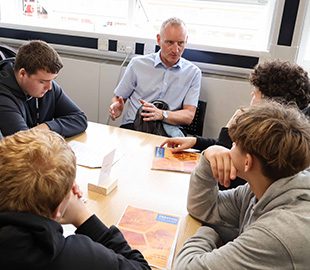
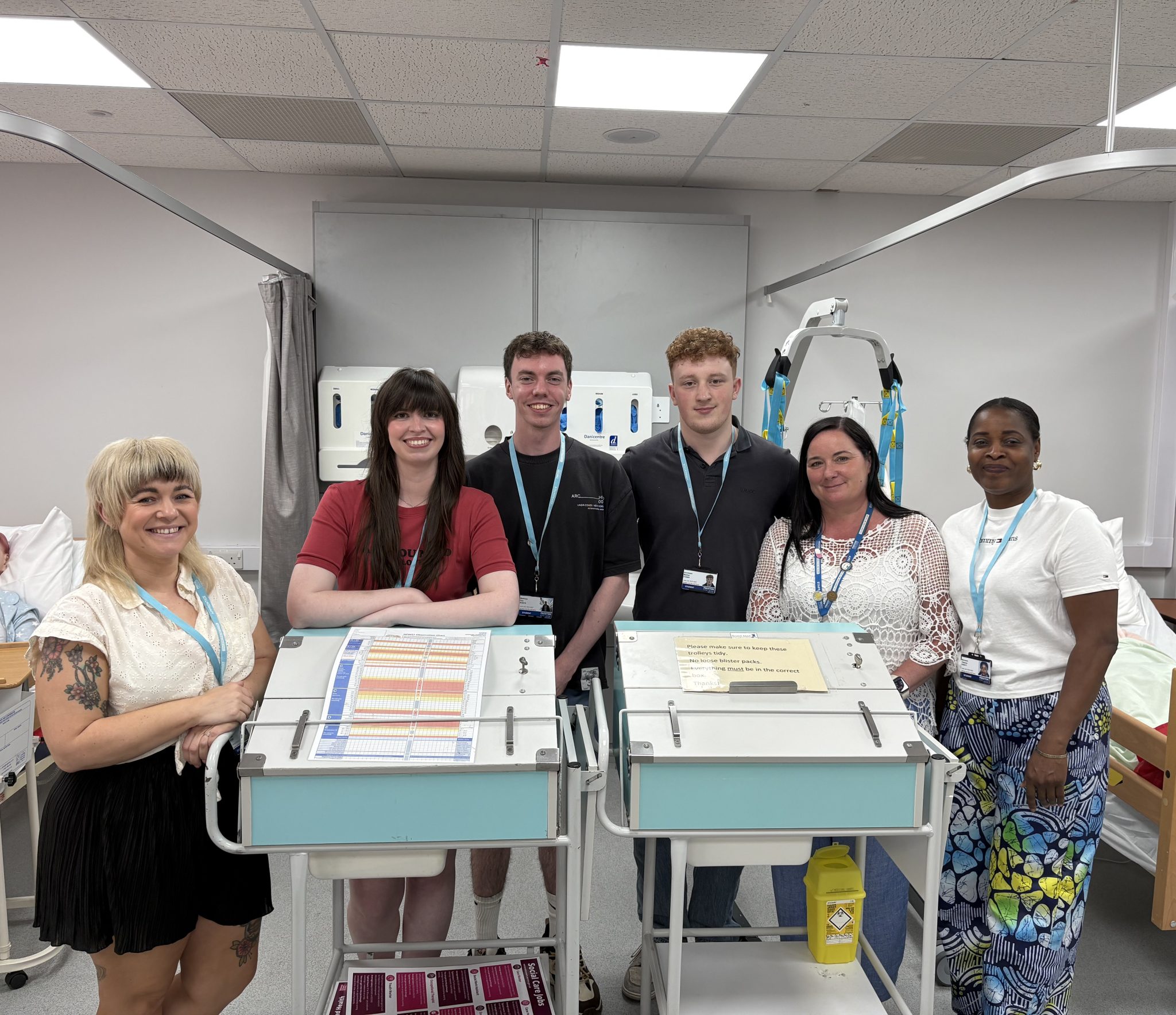
A recent Preston College Health and Social Care Conference brought together employers from across Lancashire to demonstrate the breadth of career opportunities available within the sector. Students explored career pathways spanning hospices, community healthcare, specialist providers and the Armed Forces, including the RAF, highlighting the diverse and rewarding opportunities available across our region.
This close collaboration creates value far beyond the classroom. Employers gain access to the higher-level skills they need, students build confidence through real industry engagement, and Lancashire benefits from a stronger pipeline of talent ready to drive innovation and long-term growth.
The conversation about Higher Education often focuses on individual outcomes: the qualification, the career, the salary. Yet its wider contribution is just as significant. Higher-level learning strengthens the workforce, helps employers address skills shortages and supports the long-term prosperity of regions like Lancashire.
According to Lancashire County Council’s Economic Strategy, the county educates more than 17,000 graduates each year, yet fewer than one in four remain living and working here three years later. Retaining more of that talent represents one of Lancashire’s greatest opportunities for future economic growth.
This is where locally delivered, employer-connected Higher Education has a unique role to play. By enabling people to study, work and build careers within the region, it helps retain skilled professionals, supports local businesses and creates stronger, more resilient communities.
Perhaps that’s the real measure of its value. Not simply the qualifications awarded, but the opportunities created, the businesses strengthened and the futures built across Lancashire.
Discover how Preston College University Centre is helping shape the next generation of higher-level skills in Lancashire here